15 Years of Excellence
PRECISION BELOW
The Surface
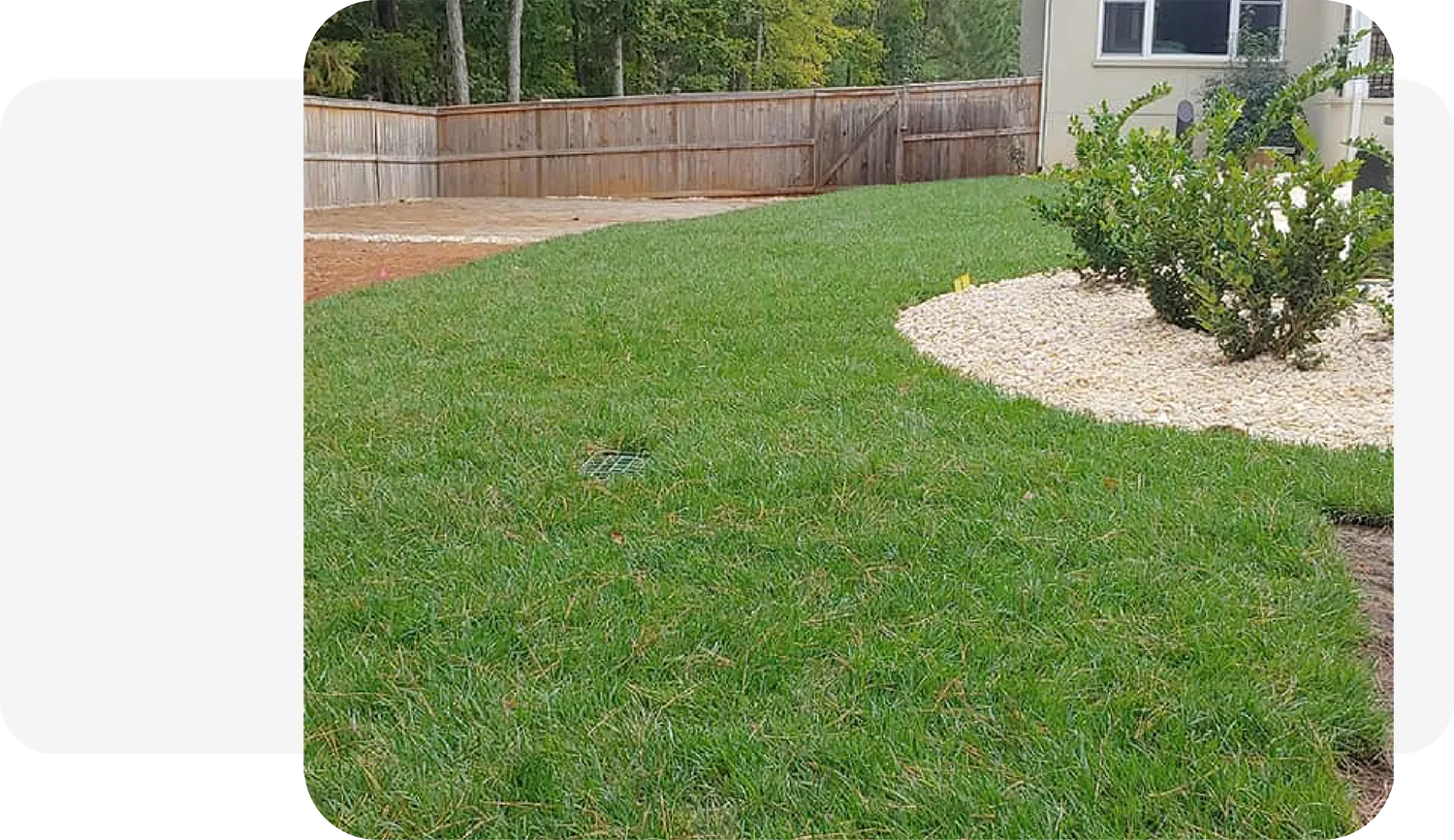
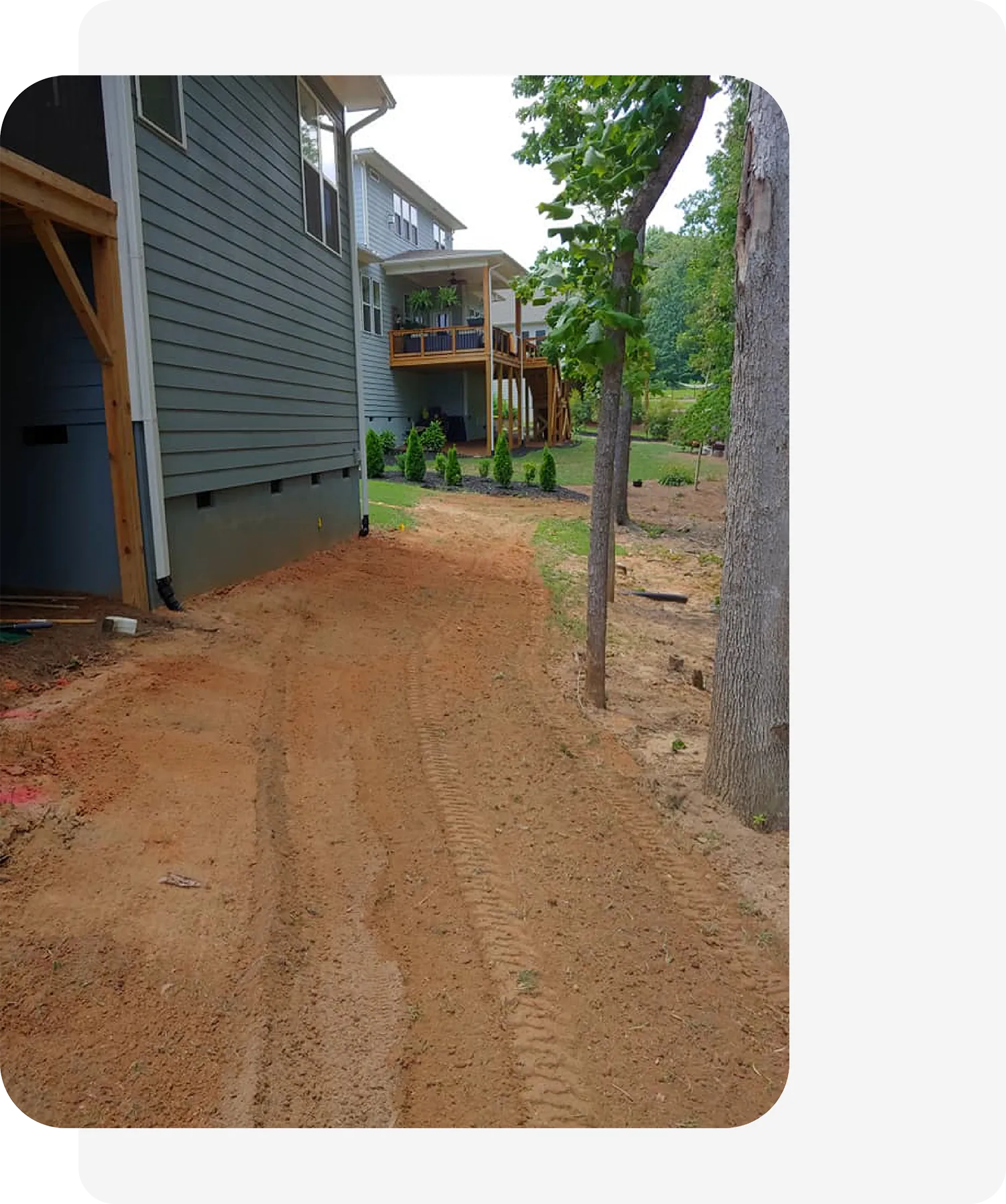
Many homeowners don’t fully understand how grading shapes their property. Improper grading can lead to water drainage issues, puddling, soil erosion, and problems with grass growth.
Defining Grade
Grade typically refers to the slope or incline of the land surface, measured as a percentage or ratio. It is the vertical rise or fall of the terrain over a given horizontal distance. Grades can be described in several ways:
Positive Grade
When the land rises above a defined point, often used in the context of road design or grading for drainage.
Negative Grade
When the land slopes downwards, which can affect water flow and site drainage.
Grade Levels
Specific elevation points on a site that dictate the height of various landscape features, walkways, and structures in relation to one another.
IMPORTANCE OF GRADE IN
Landscape Design
Drainage & Water Management
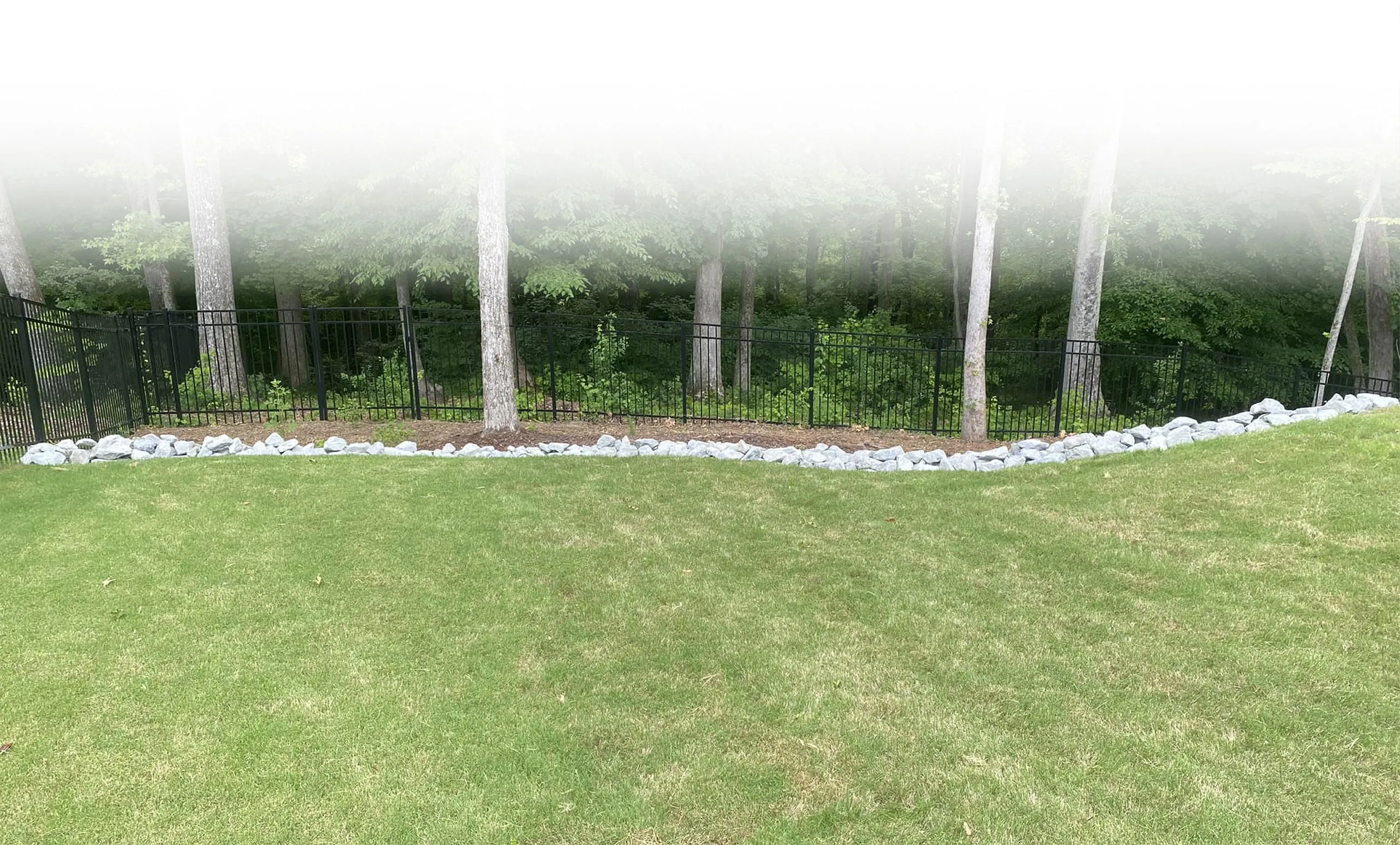
Proper grading directs water runoff, preventing standing water, erosion, and plant damage while supporting effective stormwater control.
Accessibility & Functionality
Careful grading ensures safe, practical design for patios, walkways, and outdoor spaces, including accessibility needs.
Aesthetic Considerations
Grade changes like slopes, terraces, and raised beds add depth, structure, and visual appeal to your landscape.
Soil Erosion Control
Steep slopes increase erosion risk, requiring solutions like vegetation, terraces, or retaining walls for long-term stability.

TECHNIQUES FOR
Managing Grade
Landscape architects and contractors utilize various techniques to manage grade effectively:
Grading & Excavation
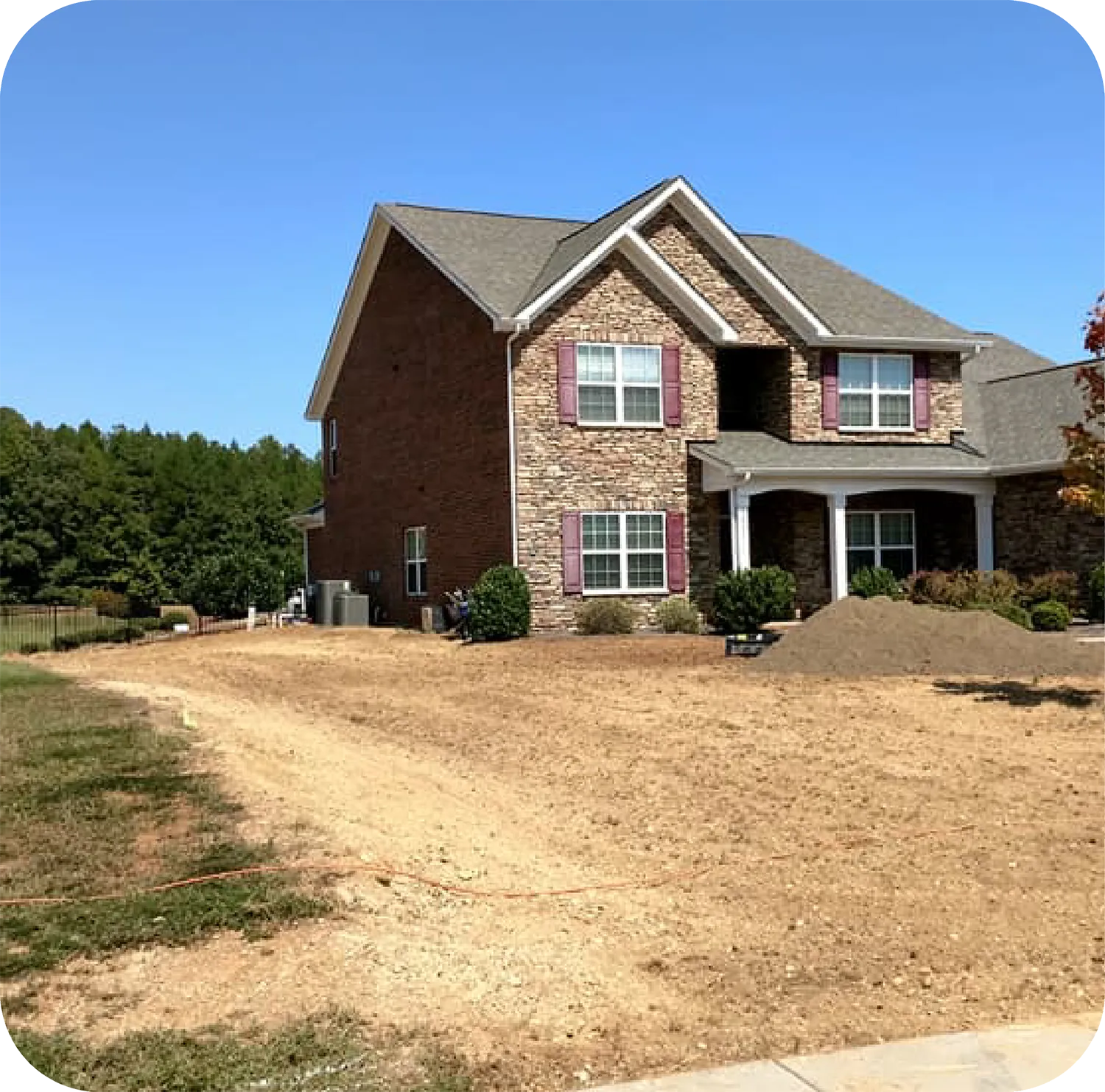
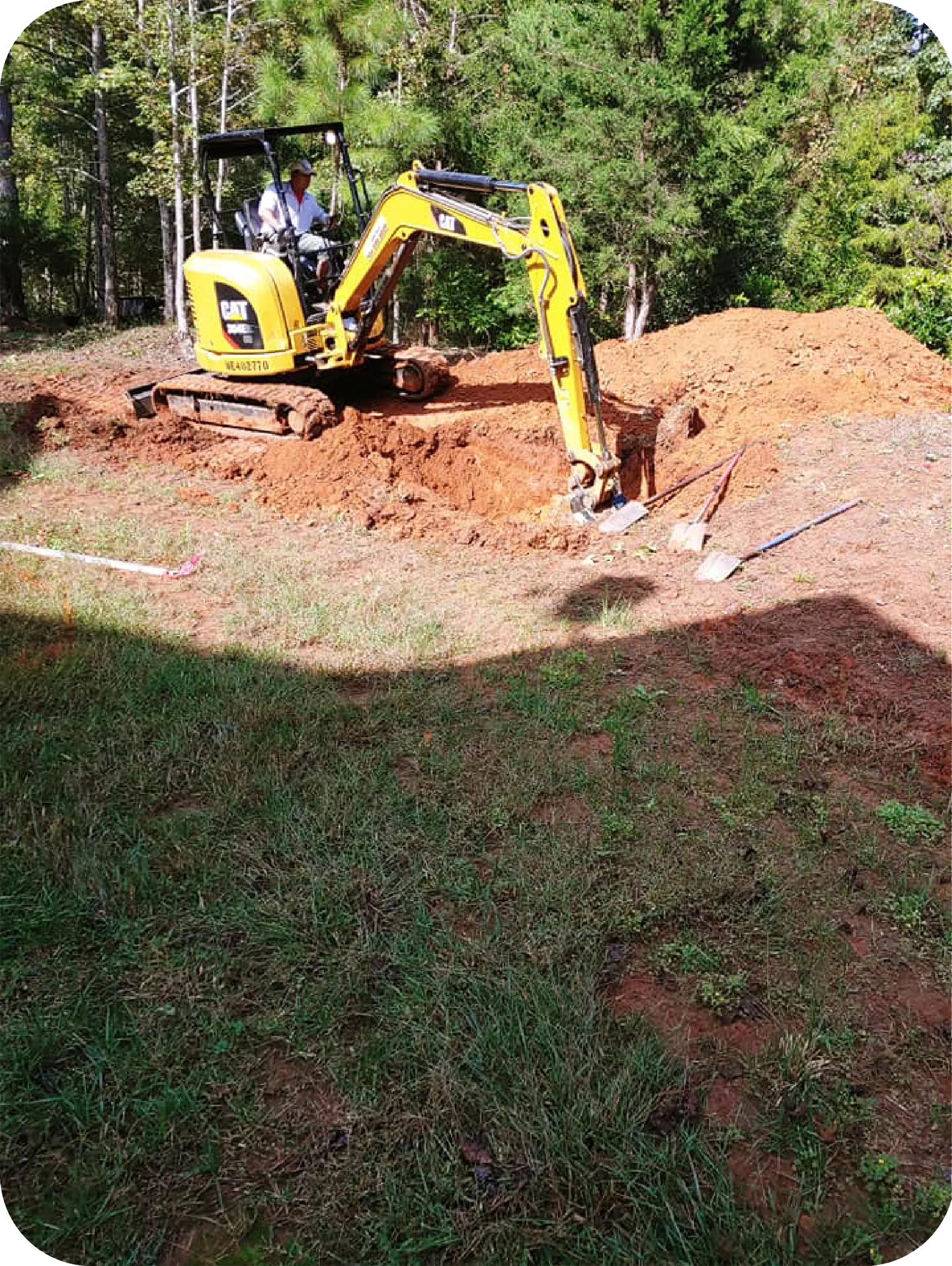
Reshaping land to achieve proper levels for construction or landscaping using specialized equipment.
Terracing
Creating stepped levels on slopes to stabilize land and reduce erosion.
Retaining Walls
Specific elevation points on a site that dictate the height of various landscape features, walkways, and structures in relation to one another.
Drainage Systems
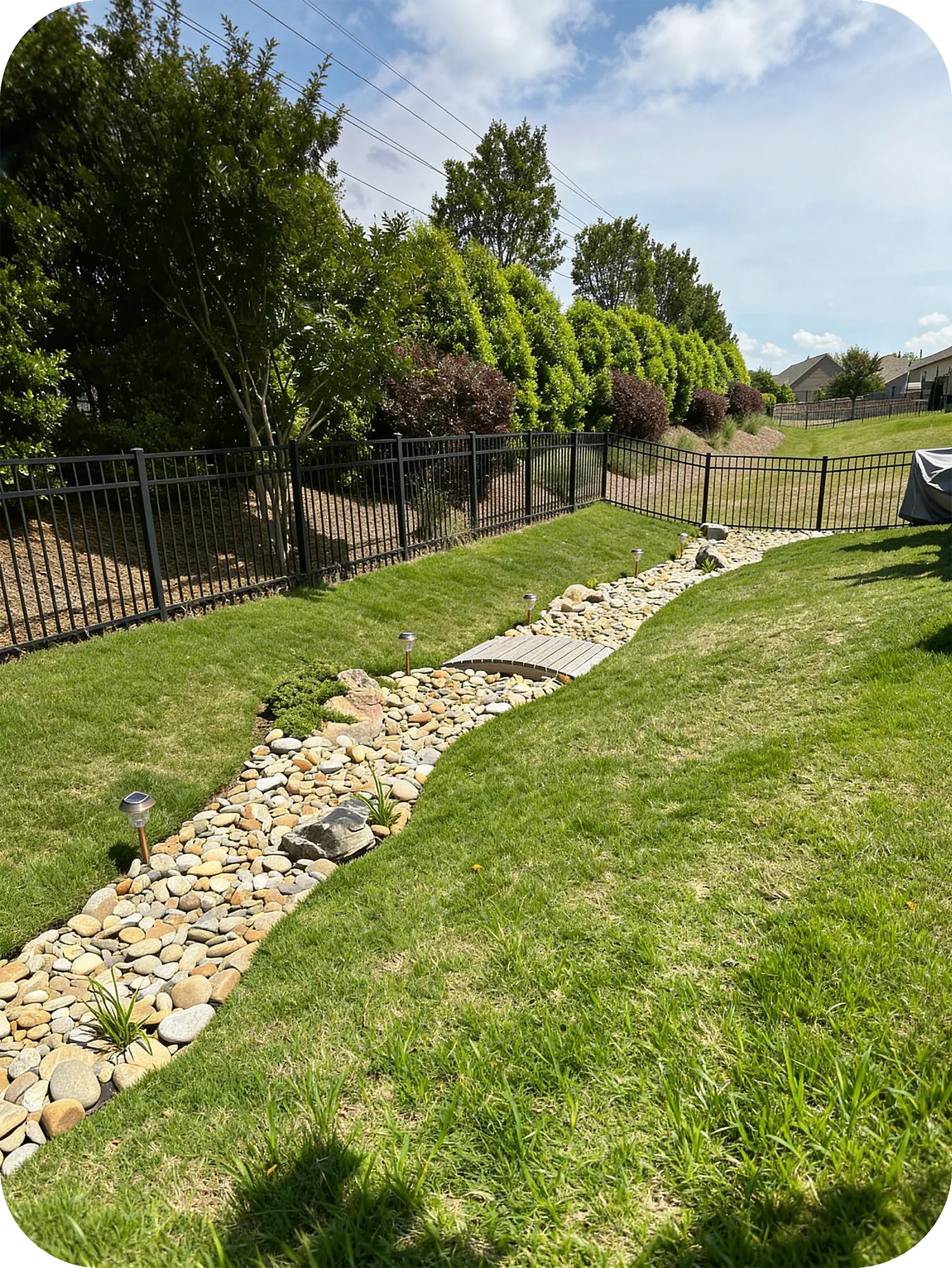
Using swales, French drains, and other systems helps redirect water away from structures and vulnerable areas.
Planting Strategies
Using deep-rooted or native vegetation on sloped areas can help stabilize soil and mitigate erosion.
STRONG
Starts Here
- We do incorporate sophisticated software to make Landscape professionals should always conduct site assessments to understand existing grades and drainage patterns before planning.
- Incorporate sustainable practices, such as soil stabilization techniques and native plantings, to enhance long-term site viability.
- Regularly review relevant regulations and best practices in grading and drainage to remain compliant and effective in design strategies.
- A grade laser can assist in helping grade and proper slopes.your vision a true perspective into a reality.
The Right Start For Every Project
Effective grading strategies can enhance the functionality and beauty of outdoor spaces while preserving the integrity of the natural landscape. As landscape design continues to evolve, mastery of these concepts will remain vital for creating safe, accessible, and visually captivating environments.
Let’s Bring Your Vision to Life
Contact Us for a FREE Consultation
Certifications
15 Years of Excellence